Application of High – Temperature Alloy Steels ASTM A217 WC5, WC6, WC9, C5, C12, C12A and CA15 in Valves
1、Introduction
High-temperature alloy steels play a crucial role in the valve industry. The applications of ASTM A217 WC5, WC6, WC9, C5, C12, C12A, and CA15 in valves are diverse and significant. According to the dictionary definition, “applications” refers to the use or purpose for which something is designed or intended. In the context of valves, these alloy steels find extensive applications in demanding environments.
For example, WC9 is a type of alloy steel that contains more chromium and molybdenum. It is suitable for working temperatures ranging from -29 to 570°C. WC9 has good mechanical strength under high-temperature conditions and excellent resistance to erosion. In the United States, WC9 is designated as ZG15Cr1MoV, which is a cast steel.
WC6 and WC9 are American designations. In China, WC6 is ZG20CrMoV and WC9 is ZG15Cr1MoV, both being cast steel parts. These materials are often used in valves for their specific properties.
Valve materials like WCB, A105, WC6, and WC9 are commonly used in the valve industry. WCB is a common casting material for valves, and its corresponding forged material is A105. WC6 is a cast alloy steel, similar to pipeline material A355 P11, and its forged counterpart is A182 F11. WC9 is a high-temperature alloy steel comparable to A355 P22, with a forged equivalent of A182 F22.
ASTM A217/A217M-10 is a standard specification for steel castings, including martensitic stainless and alloy materials suitable for high-temperature service in pressure-containing parts. This specification covers valves, flanges, fittings, and other pressure parts mainly used in high-temperature and corrosive environments. The committee responsible for this specification has included nine grades of materials, representing the basic types of ferritic alloy steels for valves and other pressure parts.
ASTM A217-2022 is another standard that regulates the material standards for cast steel valves, pipe fittings, flanges, and parts for low-temperature and high-temperature services. These materials are widely used in industries such as the chemical industry, oil and gas, power generation, pharmaceuticals, shipbuilding, and more. They offer high strength, temperature tolerance, corrosion resistance, and good processability.
In summary, the high-temperature alloy steels ASTM A217 WC5, WC6, WC9, C5, C12, C12A, and CA15 have important applications in the valve industry, providing reliable performance in demanding conditions.
1. Resistant to corrosion and suitable for high-temperature applications.
ASTM A217 WC5 is known for its excellent corrosion resistance. This property makes it highly suitable for use in environments where corrosion is a concern. Additionally, it can withstand high temperatures, making it ideal for applications in valves that operate in high-temperature conditions.
2. Properties and characteristics that make it ideal for specific valve uses.
The anti-corrosion property of ASTM A217 WC5 ensures the longevity and reliability of valves. It can resist the corrosive effects of various substances, providing a stable performance. In specific valve uses, it offers durability and stability, ensuring the smooth operation of the valve system. According to ASTM standards, this material is widely recognized for its quality and performance in the valve industry.
3. Known for its excellent corrosion resistance and high-temperature stability.
ASTM A217 WC6 is highly regarded for its remarkable corrosion resistance. It can withstand the corrosive environment in various industrial applications. Moreover, it exhibits high-temperature stability, ensuring its performance even in extreme temperature conditions.
4. Applications in different types of valves.
This material finds extensive applications in different types of valves. In the oil and gas industry, for example, ASTM A217 WC6 valves are used to control the flow of fluids under high pressure and temperature. In chemical processing plants, these valves are essential for handling corrosive chemicals. The versatility of ASTM A217 WC6 makes it a preferred choice for many valve applications.
5. 2.25% chromium content provides enhanced durability.
The 2.25% chromium content in ASTM A217 WC9 gives it enhanced durability. Chromium helps in forming a protective oxide layer on the surface of the material, which increases its resistance to corrosion and wear. This makes it suitable for applications where durability is crucial.
6. Use in valves for various industries.
ASTM A217 WC9 is widely used in valves for various industries such as power generation, petrochemicals, and manufacturing. In power plants, these valves are used to control the flow of steam and other fluids. In the petrochemical industry, they are used for handling corrosive and high-temperature fluids. The material’s properties make it an ideal choice for these demanding applications.
7. With 5% chromium and 0.5% molybdenum, suitable for corrosive environments.
ASTM A217 C5, with its specific composition of 5% chromium and 0.5% molybdenum, is designed to be suitable for corrosive environments. The combination of these elements provides excellent corrosion resistance, allowing the material to withstand the harsh conditions often found in industrial applications.
8. Role in valve manufacturing.
In valve manufacturing, ASTM A217 C5 plays an important role. It is used to make valves that are capable of withstanding corrosive fluids and high temperatures. The material’s properties ensure the reliability and longevity of the valves, making them suitable for a wide range of applications.
9. High sulfur oxidation resistance.
ASTM A217 C12 and C12A are known for their high sulfur oxidation resistance. This property makes them suitable for applications where sulfur is present and oxidation is a concern. They can withstand the corrosive effects of sulfur and maintain their integrity.
10. Importance in valve applications.
In valve applications, ASTM A217 C12 and C12A are important materials. They are used in valves that handle corrosive fluids and operate in high-temperature environments. Their sulfur oxidation resistance ensures the reliable performance of the valves, reducing the risk of failure and downtime.
11. Corrosion-resistant properties for specific applications.
ASTM A217 CA15 has corrosion-resistant properties that make it suitable for specific applications. It can resist the corrosive effects of various substances, providing a reliable performance in demanding environments.
12. How it contributes to valve performance.
In valves, ASTM A217 CA15 contributes to improved performance. Its corrosion resistance helps to ensure the longevity and reliability of the valve. It can withstand the harsh conditions often found in industrial applications, providing a stable and efficient operation.
13. Discussion of various valve types where these alloy steels are commonly used.
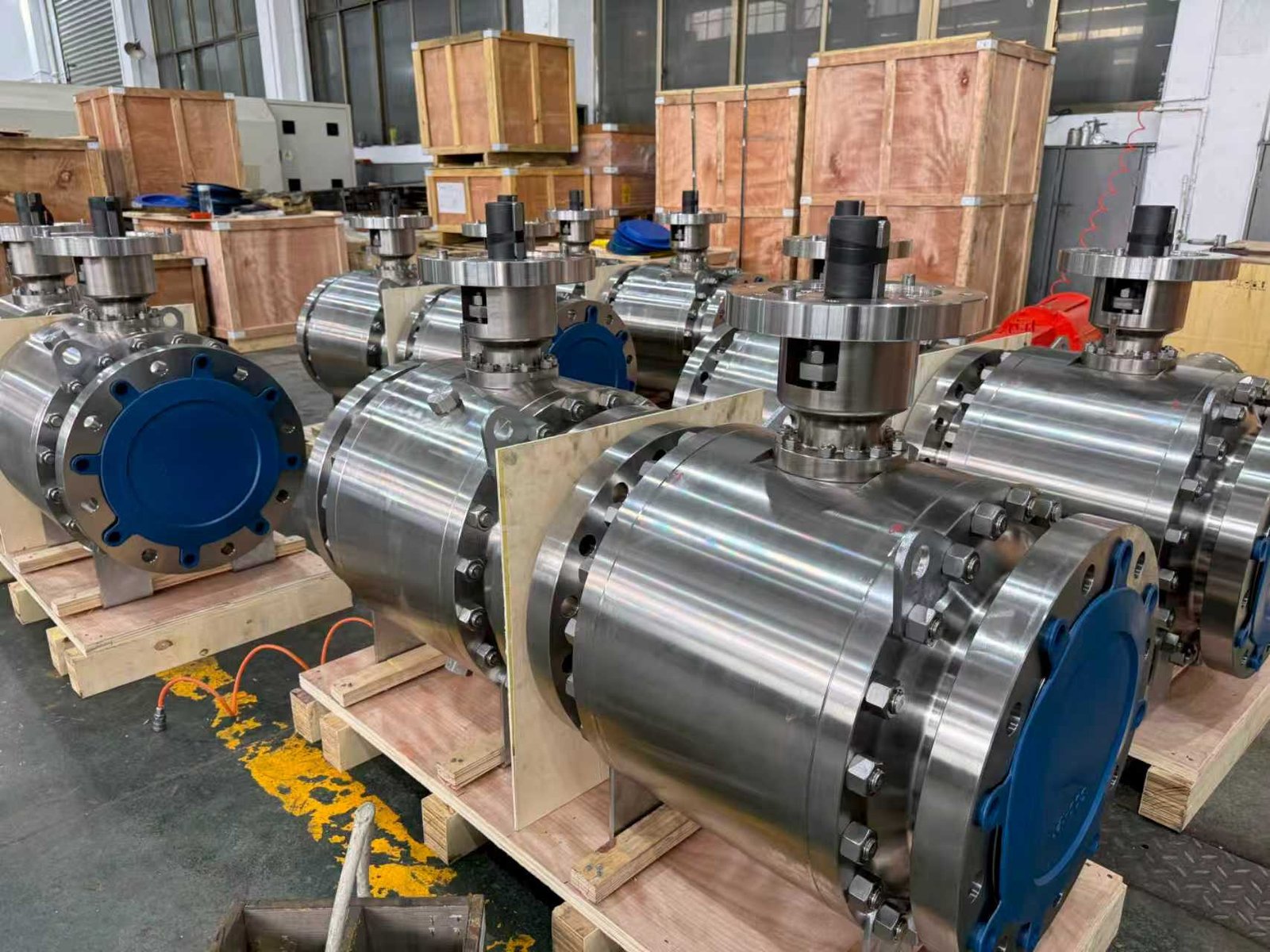
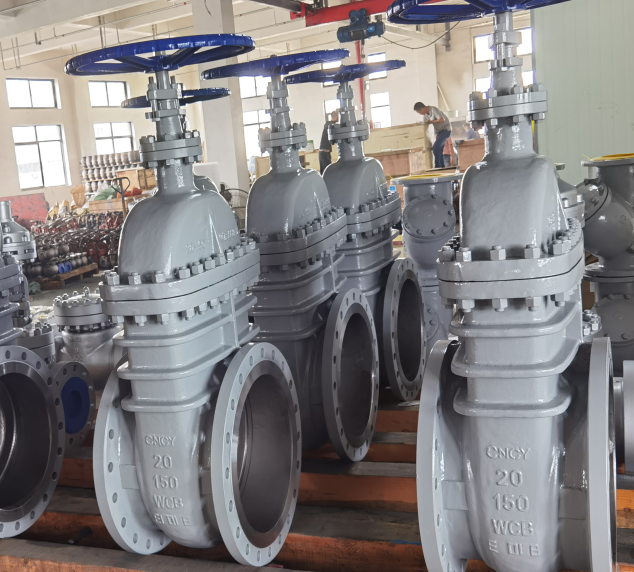
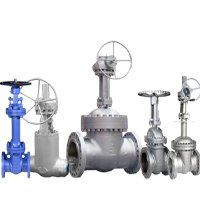
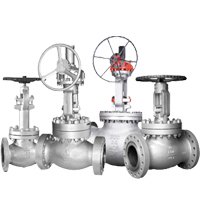
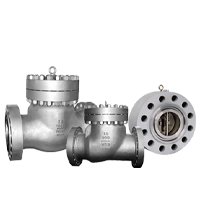
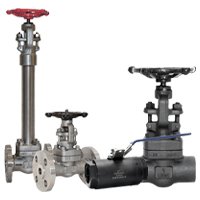
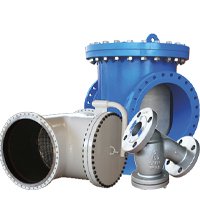
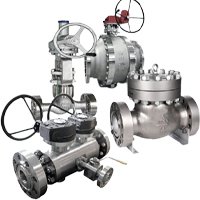
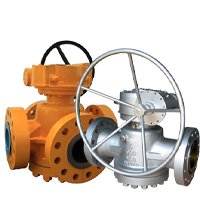
The high-temperature alloy steels ASTM A217 WC5, WC6, WC9, C5, C12, C12A, and CA15 are commonly used in a variety of valve types. For instance, they are found in gate valves, which are used for controlling the flow of fluids in pipelines. These alloy steels provide the durability and strength needed to withstand the pressure and temperature variations in industrial applications. Ball valves also utilize these materials, as their corrosion resistance and high-temperature stability make them ideal for applications where a tight seal and reliable operation are required. Check valves are another type of valve that can benefit from these alloy steels, especially in industries where backflow prevention is crucial.
14. Examples of industries that rely on these valves.
Industries such as the oil and gas industry rely heavily on valves made from these high-temperature alloy steels. In the extraction, transportation, and refining of oil and gas, valves must be able to withstand extreme temperatures and pressures, as well as the corrosive nature of the fluids being handled. The chemical industry also depends on these valves to control the flow of corrosive chemicals and ensure safe and efficient operations. Power generation plants use valves made from these materials to regulate the flow of steam and other fluids, ensuring the reliable operation of turbines and generators. Additionally, the pharmaceutical industry requires valves that can maintain a sterile environment and handle a variety of chemicals, making these alloy steels a suitable choice.
15. Improved durability and reliability.
The use of high-temperature alloy steels in valves offers significant improvements in durability and reliability. These materials are designed to withstand the harsh conditions found in industrial applications, including high temperatures, corrosive environments, and high pressures. The durability of these alloy steels means that valves made from them have a longer lifespan, reducing the need for frequent replacements and minimizing downtime. The reliability of these valves is also enhanced, as they are less likely to fail due to wear and tear or corrosion. According to the information on durability provided in the writing materials, materials like these alloy steels offer excellent durability, which is crucial for the long-term performance of valves.
16. Reduced maintenance costs.
By using high-temperature alloy steels in valves, maintenance costs can be significantly reduced. The durability and corrosion resistance of these materials mean that valves require less frequent maintenance and repairs. This not only saves time and labor but also reduces the cost of spare parts and maintenance activities. In industries where downtime is costly, the reduced maintenance requirements of valves made from these alloy steels can result in significant cost savings.
17. Enhanced performance in harsh environments.
In harsh environments such as high-temperature and corrosive conditions, valves made from high-temperature alloy steels perform exceptionally well. These materials are able to maintain their structural integrity and functionality even in extreme conditions, ensuring the reliable control of fluid flow. For example, in applications where temperatures are extremely high, the alloy steels’ ability to resist heat and maintain their mechanical properties is essential. In corrosive environments, their corrosion resistance helps to prevent leaks and ensure the safe operation of the system.
The materials mainly included in the ASTM A217 standard are as follows:
l WC1 : It belongs to C-Mo steel and has certain high-temperature strength and creep resistance. It is suitable for pressure-bearing components in a medium-temperature environment. Its chemical composition contains appropriate amounts of elements such as carbon and molybdenum, and it can be used to manufacture valves and other components used within the temperature range of 450 °C – 500 °C.
l WC4 : It is Ni-Cr-Mo steel. This material has good strength, toughness, and corrosion resistance at high temperatures. It can be used to manufacture high-temperature valves, flanges, and pipe fittings with a temperature not exceeding 600 °C. The contents of alloying elements such as nickel, chromium, and molybdenum in its chemical composition endow it with excellent comprehensive properties.
l WC5 : It is also Ni-Cr-Mo steel. Its performance is similar to that of WC4, but there are slight differences in its chemical composition, which makes it outstanding in terms of high-temperature strength and corrosion resistance. It can be applied to the manufacturing of similar high-temperature pressure-bearing components, and the general operating temperature range is also around 600 °C.
l WC6 : It is Cr-Mo steel. The addition of chromium and molybdenum elements gives it good high-temperature resistance and creep resistance. It is applicable to high-temperature environments ranging from 500 °C to 650 °C and is often used in the manufacturing of high-temperature valves in the petrochemical and thermal power generation industries. In its chemical composition, the chromium content is approximately 1.00% – 1.50%, and the molybdenum content is approximately 0.45% – 0.65%.
l WC9 : It is also Cr-Mo steel. Its chromium and molybdenum contents are relatively higher than those of WC6, so it has better high-temperature strength and oxidation resistance. It can be used for a long time under the temperature conditions of 550 °C – 650 °C and is widely applied to pressure-bearing components such as high-temperature and high-pressure valves and pipelines, such as high-temperature steam valves in chemical plants.
l WC11 : It belongs to Cr-Mo steel and has relatively high high-temperature strength and corrosion resistance. The general operating temperature range is around 550 °C – 650 °C. It is suitable for manufacturing valves, flanges, and other components that bear high temperature and certain pressure.
l C5 : It is Cr-Mo steel and has good high-temperature strength and oxidation resistance. The chromium and molybdenum elements in its chemical composition enable it to maintain relatively good stability in a high-temperature environment. It can be used to manufacture high-temperature components with a temperature ranging from 500 °C to 600 °C and is often used in high-temperature valves in industries such as chemical and electric power.
l C12 : It is a kind of Cr-Mo steel. The chromium content is approximately 8.00% – 10.00%, and the molybdenum content is approximately 0.90% – 1.20%. It has relatively high strength and oxidation resistance and is suitable for manufacturing pressure-bearing components such as valves and pipe fittings working at high temperatures. The operating temperature can reach around 600 °C.
l C12A : On the basis of C12, vanadium element is added, that is, Cr-Mo-V steel. The addition of vanadium further improves the high-temperature strength and creep resistance of the material, enabling it to be used in higher temperature and more demanding working conditions. The operating temperature can reach around 650 °C, and it is often used to manufacture key components such as high-temperature valves of large generator sets.
l CA15 : It belongs to martensitic stainless steel and contains certain amounts of chromium and nickel elements. It has good corrosion resistance and a certain degree of high-temperature strength. It is suitable for high-temperature components working in a corrosive medium environment, such as valves that require both corrosion resistance and certain temperature resistance in industries such as chemical and food processing.
· 2205 (UNS S31803, S32205) : This is a widely used duplex stainless steel. UNS S31803 and S32205 are its designations in the Unified Numbering System. It has good corrosion resistance, especially in environments containing chloride ions, and also has relatively high strength with a yield strength typically exceeding 450 MPa. It can be used to manufacture pipelines, valves and other equipment in the chemical and offshore engineering industries.
· 2507 (UNS S32750) : It belongs to super duplex stainless steel and has higher corrosion resistance and strength than 2205. It performs excellently in harsh corrosive environments such as strong acids, strong alkalis and high-salinity seawater. Its tensile strength can reach about 800 MPa and it is widely used in fields with extremely high requirements for material performance, such as offshore oil platforms and seawater desalination.
· A995 Gr 1A, 2A, 3A, 4A, 5A, 6A, 1B, 1C : These are the grade classifications of duplex stainless steel under the American Society for Testing and Materials (ASTM) standard. Different grades (Gr) have certain differences in chemical composition and performance and are mainly used to meet the requirements for corrosion resistance and strength under different working conditions.
· CD4MCu (ASTM A890 – 4A) : It has good wear and corrosion resistance and is especially suitable for components working in fluid environments containing solid particles. Its chemical composition includes elements such as chromium, nickel and molybdenum. Generally, the chromium content is between 24% and 26%, the nickel content is between 4.7% and 6%, and the molybdenum content is between 1.7% and 2.3%.
· CD4MCuN (ASTM A890 – 5A) : Based on CD4MCu, nitrogen element is added to improve the strength and corrosion resistance of the material. The nitrogen content is generally between 0.1% and 0.25%. It is often used to manufacture chemical pumps, valves and other components that require high corrosion resistance and certain strength.
· CD3MCuN (ASTM A890 – 6A) : It is also a nitrogen-containing duplex stainless steel with excellent corrosion resistance and stress corrosion cracking resistance. The characteristics of its chemical composition enable it to effectively resist corrosion in some complex chemical medium environments, such as those containing sulfides and chlorides.
· 904L (UNS N08904) : It contains relatively high amounts of nickel, chromium and molybdenum elements and has good corrosion resistance, especially good tolerance to reducing acids such as sulfuric acid and phosphoric acid. Its chromium content is approximately 19% – 23%, nickel content is approximately 23% – 28%, and molybdenum content is approximately 4% – 5%. It can be used for manufacturing corrosion-resistant equipment in the chemical and paper-making industries.
· ALLOY20 (UNS N08020) : Also known as Carpenter 20, it is an austenitic stainless steel containing nickel, chromium, molybdenum and copper. Its chemical composition includes about 19% – 21% chromium, about 32% – 38% nickel, about 2% – 3% molybdenum and about 3% – 4% copper. It has good tolerance to various acids such as sulfuric acid and nitric acid and is often used to manufacture pipelines and equipment in the chemical and food processing industries.
· CN7M (UNS N08700) : It is a corrosion-resistant alloy with good intergranular corrosion resistance and stress corrosion cracking resistance. The characteristics of its chemical composition are that the chromium content is about 19% – 22%, the nickel content is about 30% – 34% and the molybdenum content is about 2% – 3%. It is suitable for manufacturing chemical equipment and pipelines working in high-temperature and strongly corrosive environments.
· AL – 6XN (UNS N08367) : It has excellent corrosion resistance, especially in high-temperature environments containing chloride ions. Its chromium content is about 20% – 22%, nickel content is about 23.5% – 25.5%, molybdenum content is about 6% – 7% and nitrogen content is about 0.18% – 0.25%. It can be used for manufacturing high-performance equipment in offshore engineering, seawater desalination and chemical industries.
· CN3MN (UNS J95404) : This stainless steel has good corrosion resistance in media containing chloride ions, and its strength can also meet certain engineering requirements. Its chemical composition includes about 20% – 22% chromium, about 11.5% – 14% nickel, about 2.5% – 3.5% molybdenum and about 0.2% – 0.3% nitrogen.
· 254SMO (UNS S31254) : It is a high-performance super austenitic stainless steel with extremely high corrosion resistance and good tolerance to various acids and chloride solutions. Its chromium content is about 19.5% – 20.5%, nickel content is about 17.5% – 18.5%, molybdenum content is about 6% – 6.5% and nitrogen content is about 0.18% – 0.22%. It is often used to manufacture high-end equipment in chemical, offshore and pharmaceutical industries, such as chemical reactors and seawater cooling systems.
· F44 (UNS S31254) : It is another name for 254SMO and is widely used in corrosion-resistant equipment in chemical and offshore fields, for example, for manufacturing corrosion-resistant valves, pump bodies and other components.
· CK3MCuN (UNS J93404) : This stainless steel performs excellently in terms of corrosion resistance and wear resistance and is suitable for manufacturing equipment working under harsh working conditions where corrosion and wear exist simultaneously. The copper element in its chemical composition helps to improve its corrosion resistance and anti-biofouling performance and it is often used for manufacturing equipment in offshore engineering and chemical industries.
· S31254 (the same material as 254SMO) : It can maintain good performance in complex environments such as high temperature, high salinity and high acidity and is an ideal material for manufacturing high-performance corrosion-resistant equipment in many industries such as chemical, offshore and pharmaceutical industries.